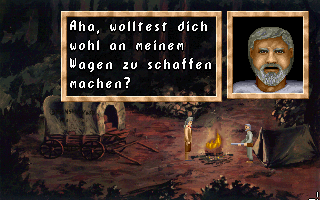
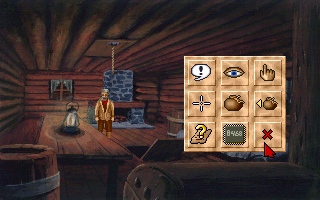
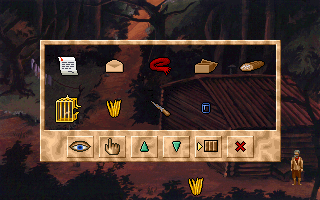
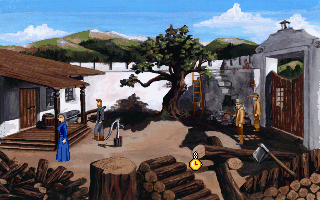
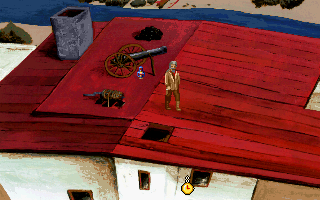
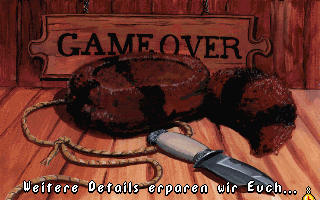
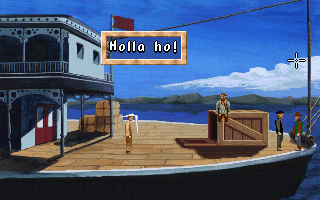
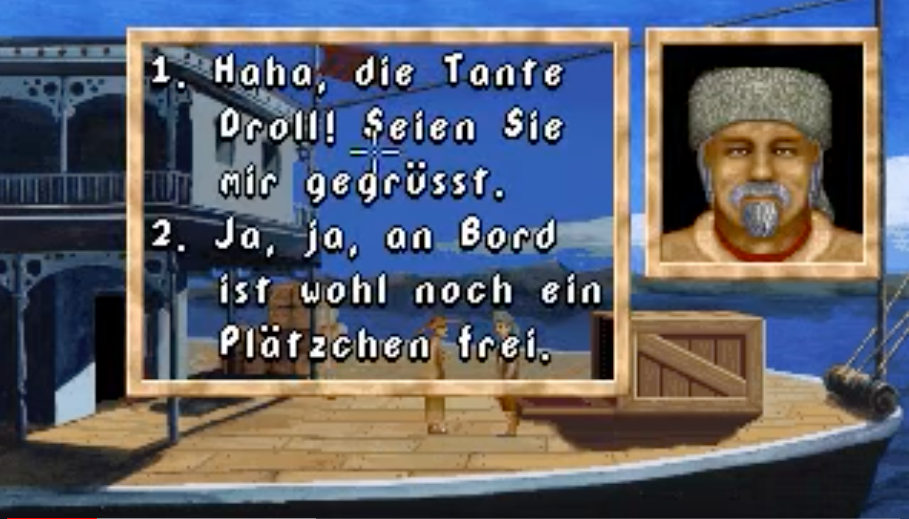
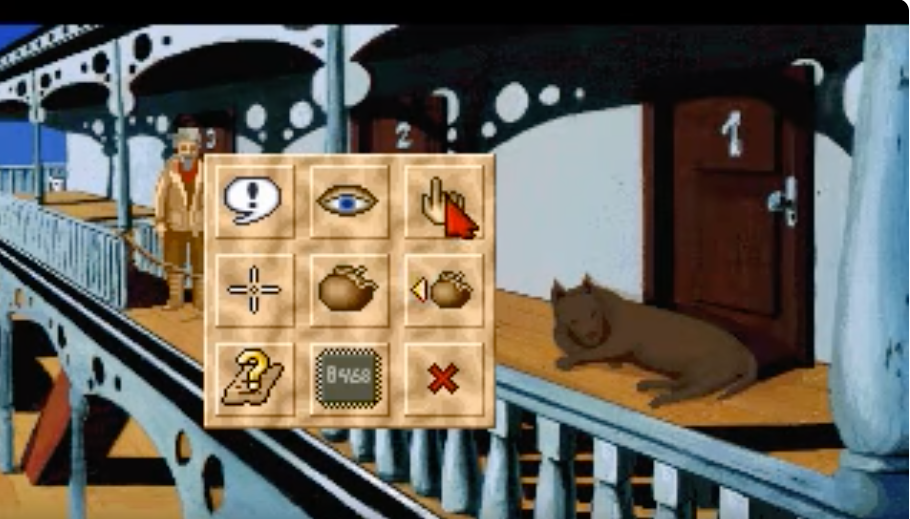
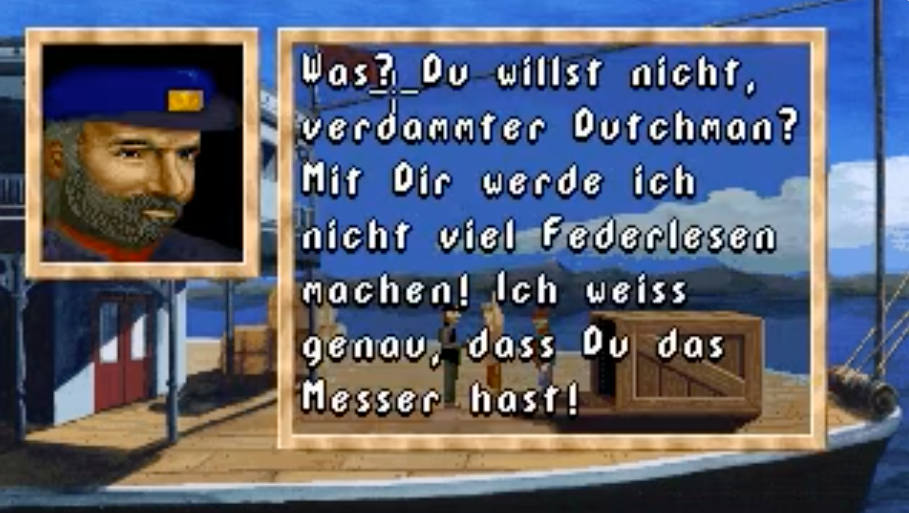
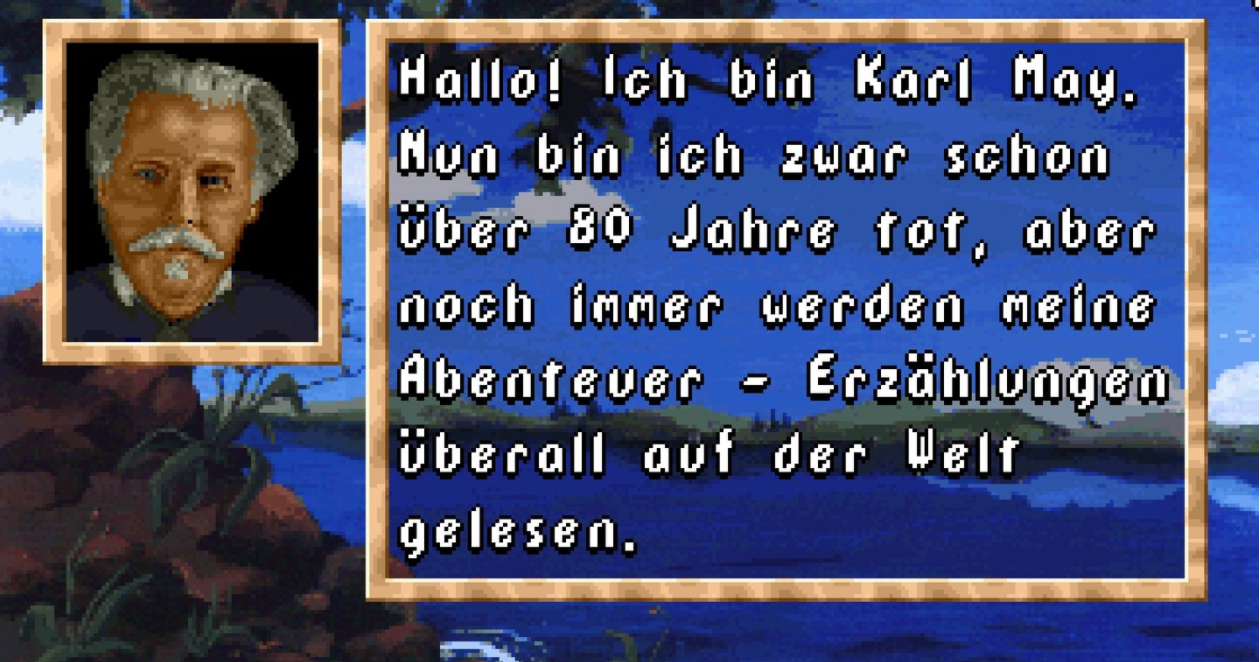
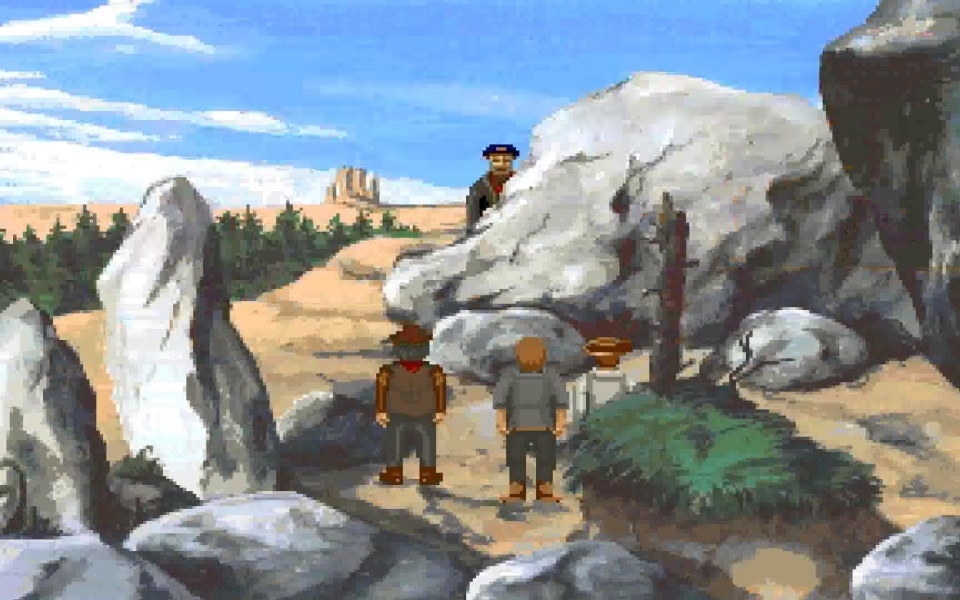
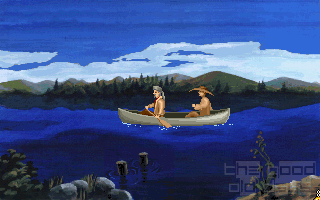
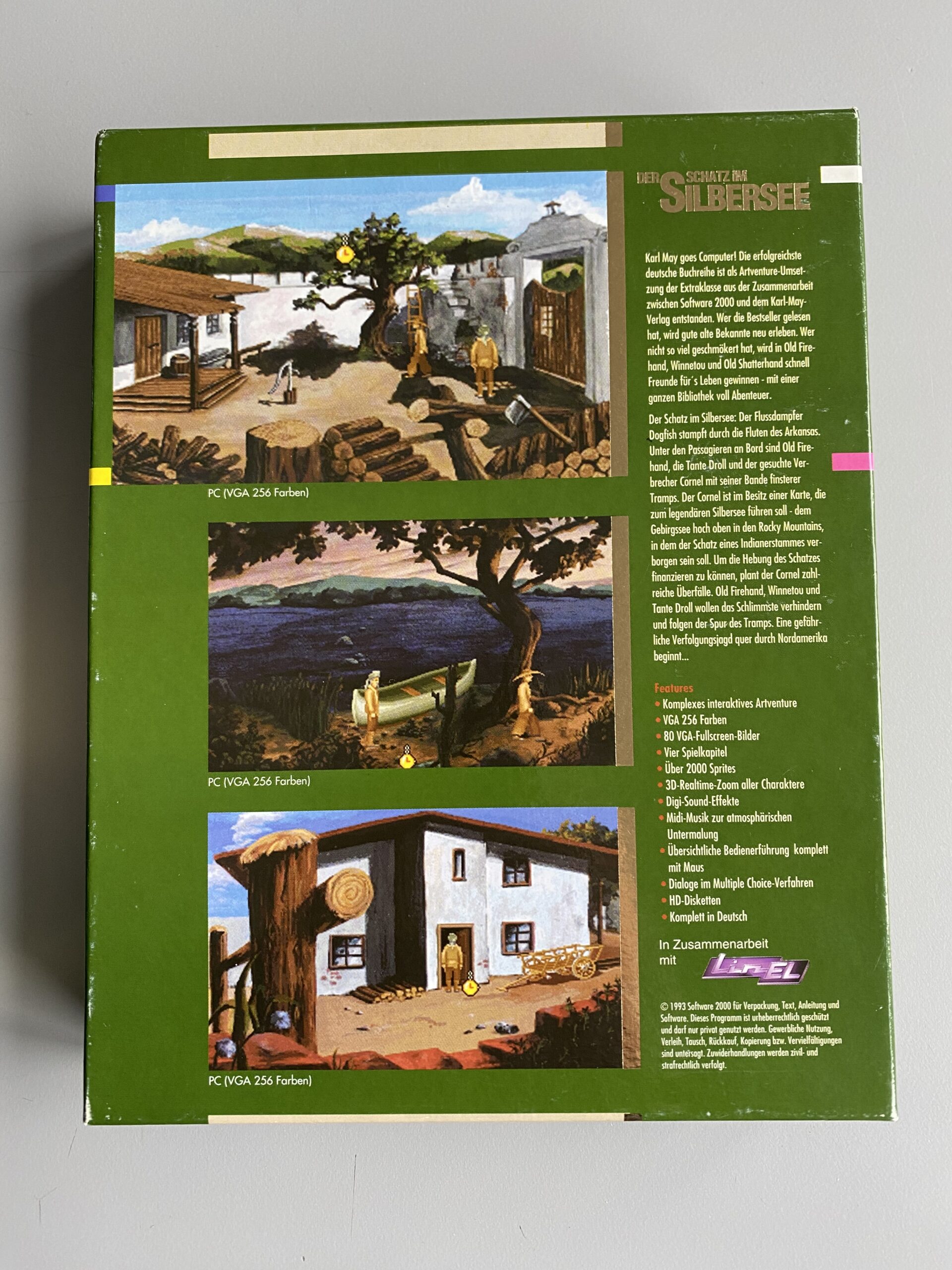
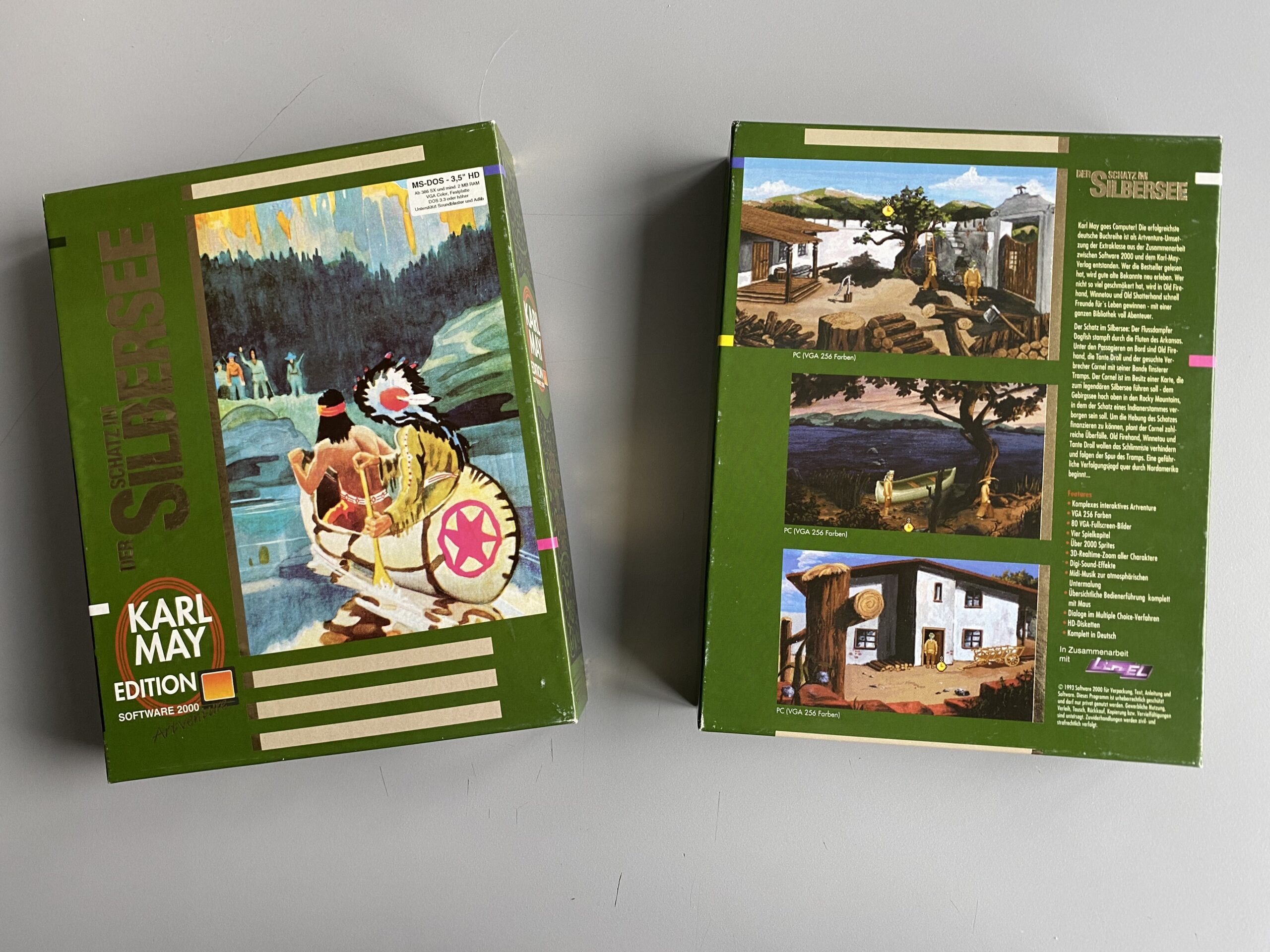
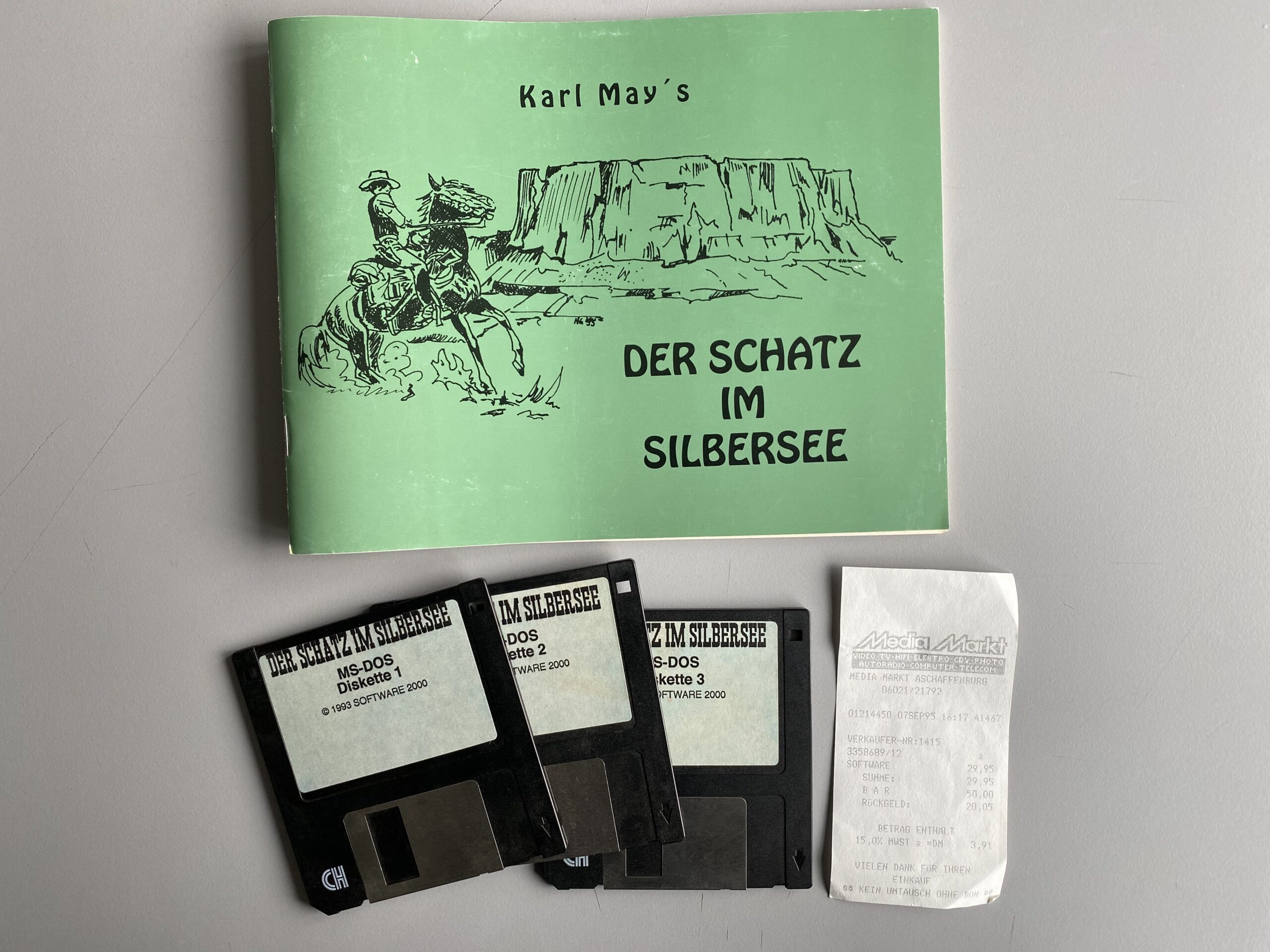
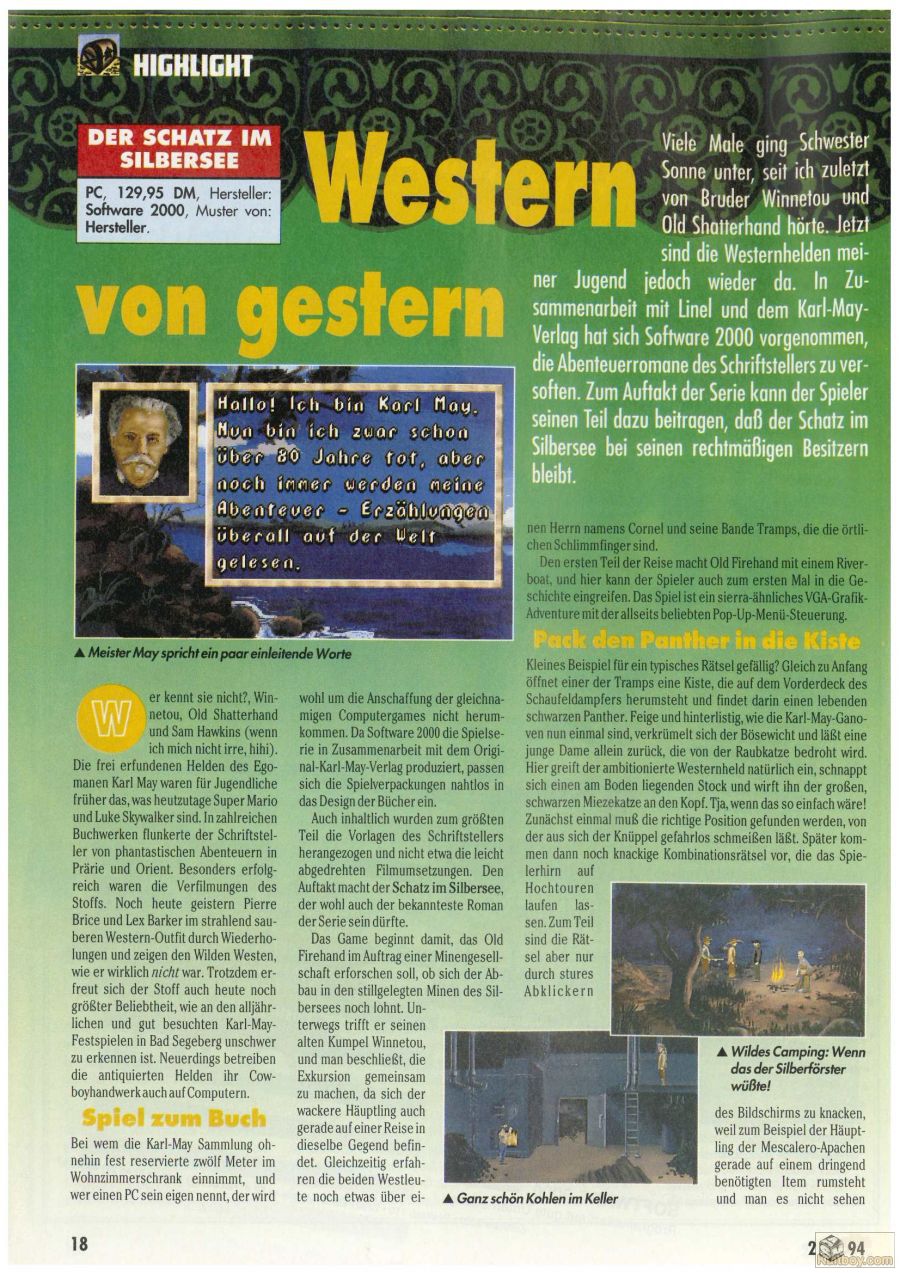
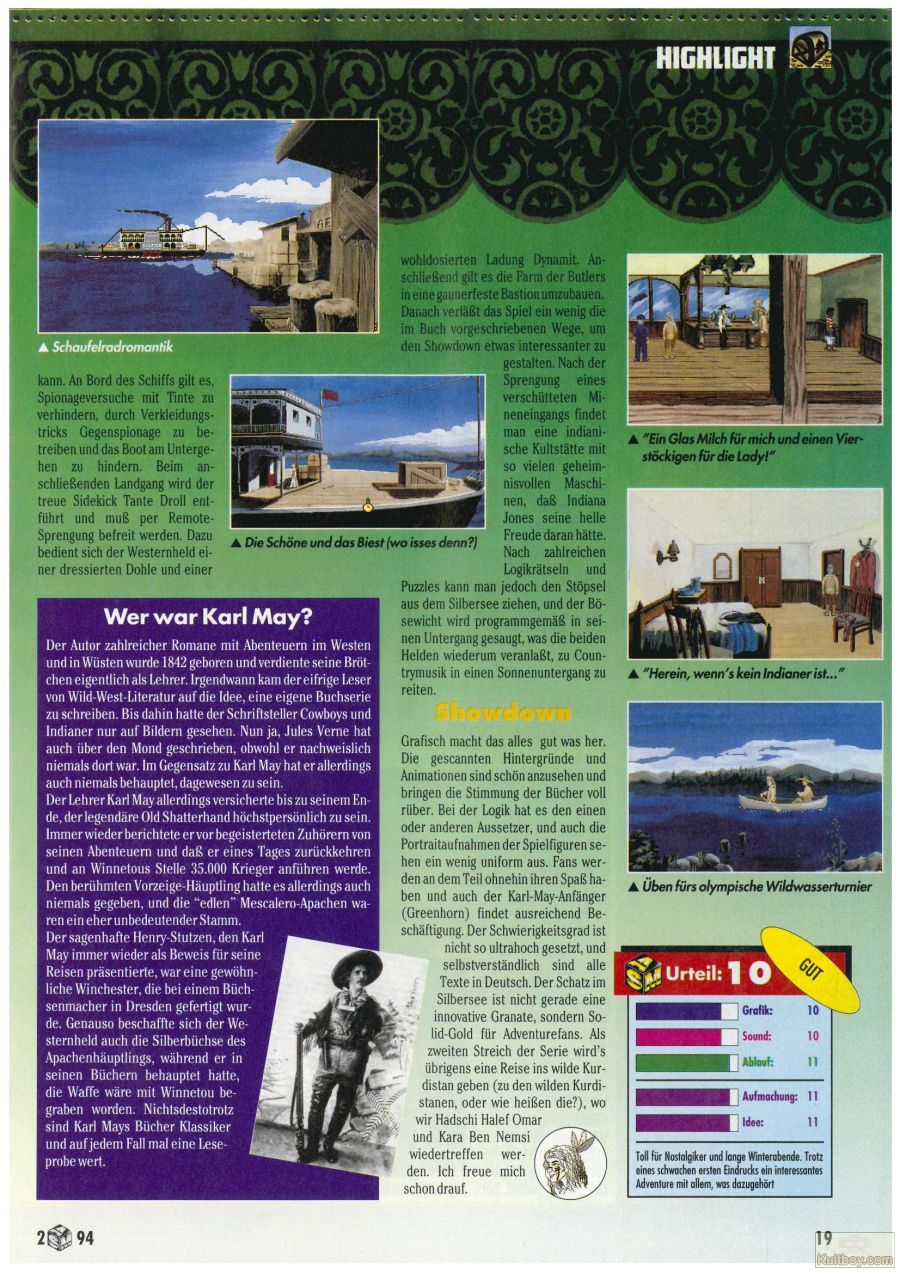
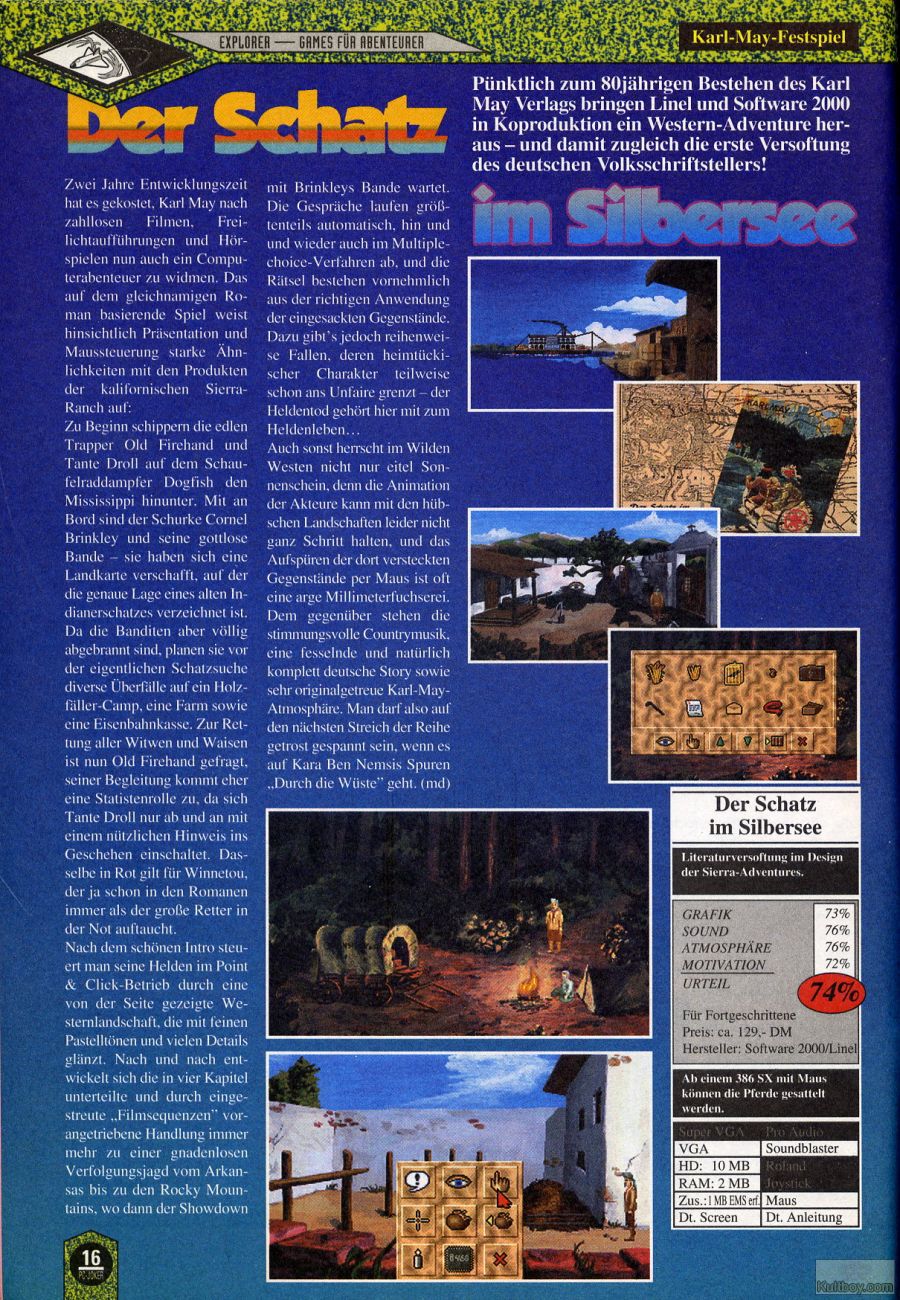
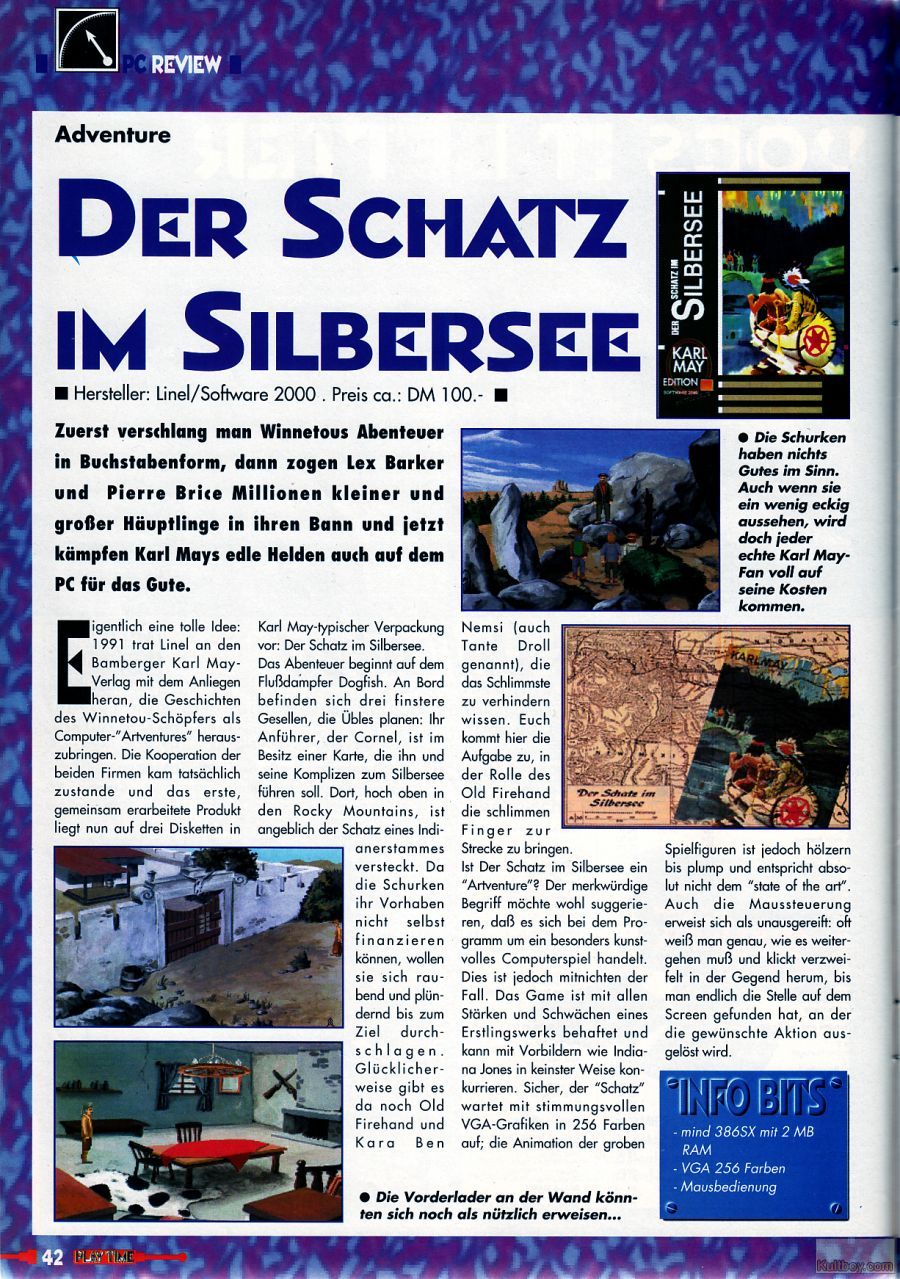
‘Der Schatz im Silbersee’ (in English: The Treasure in Silver Lake) is a point-and-click adventure game developed jointly by Cybervision (i.e. Arndt Hasch) and Linel, which was released for MS-DOS-compatible PCs in 1993. The game is an adaptation of the novel of the same name by the German author Karl May, which was first published as a serialised story in 1890. Karl May’s Western stories enjoyed enormous popularity, particularly amongst a young male audience in German-speaking countries, well into the 20th century. This popularity was further boosted from the 1960s onwards by the successful film adaptations, particularly as the films remained a regular feature of German-language television programmes right up until the turn of the millennium.
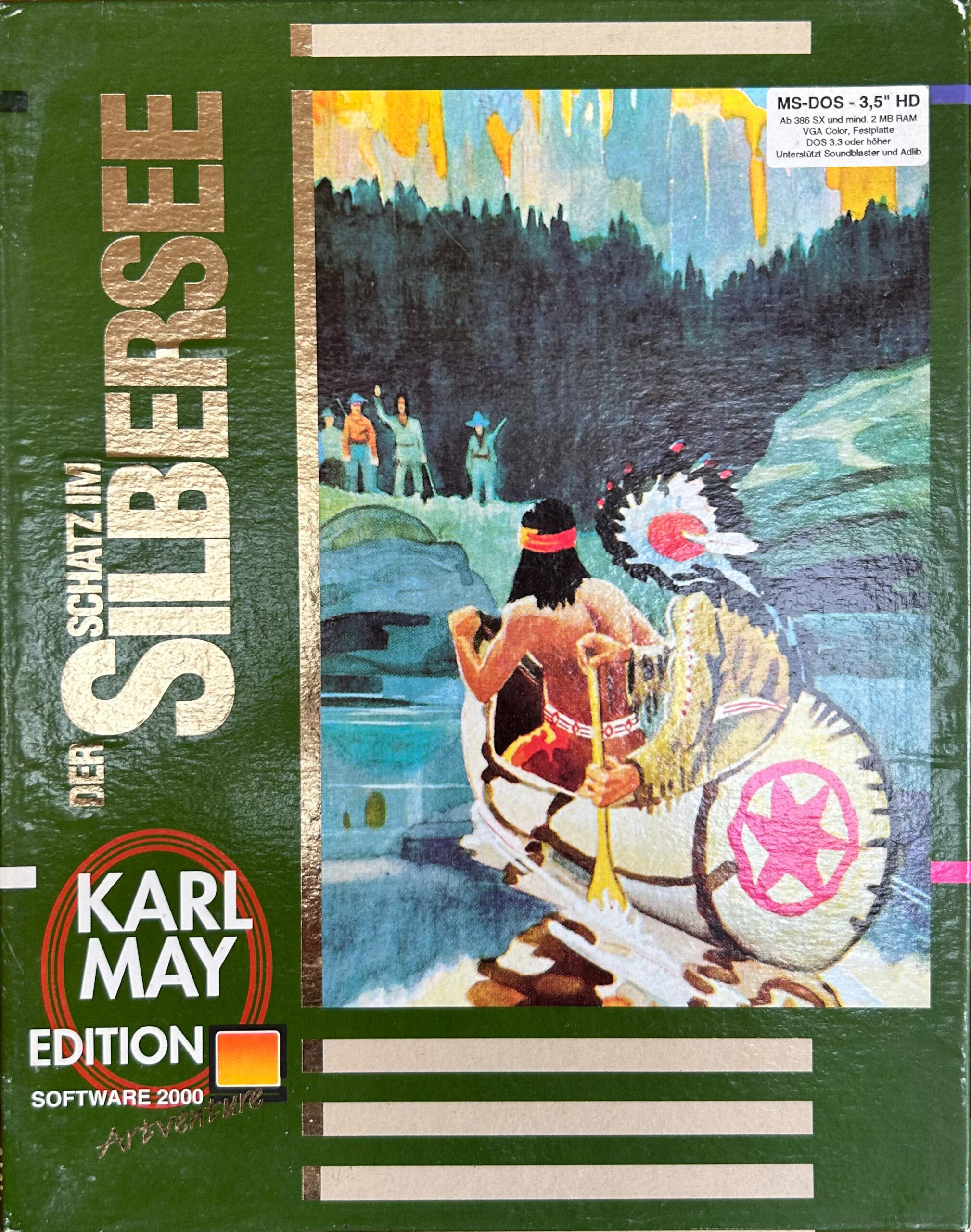
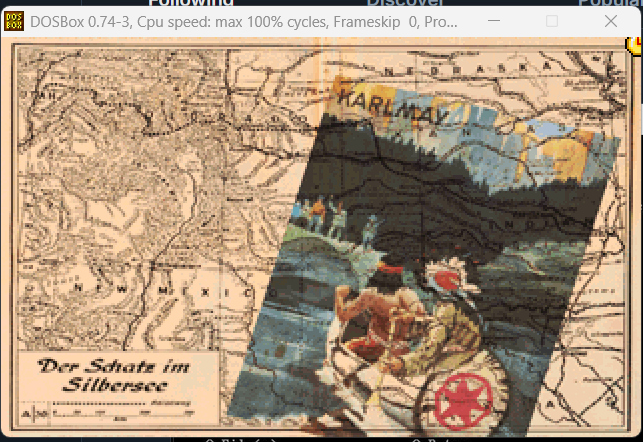
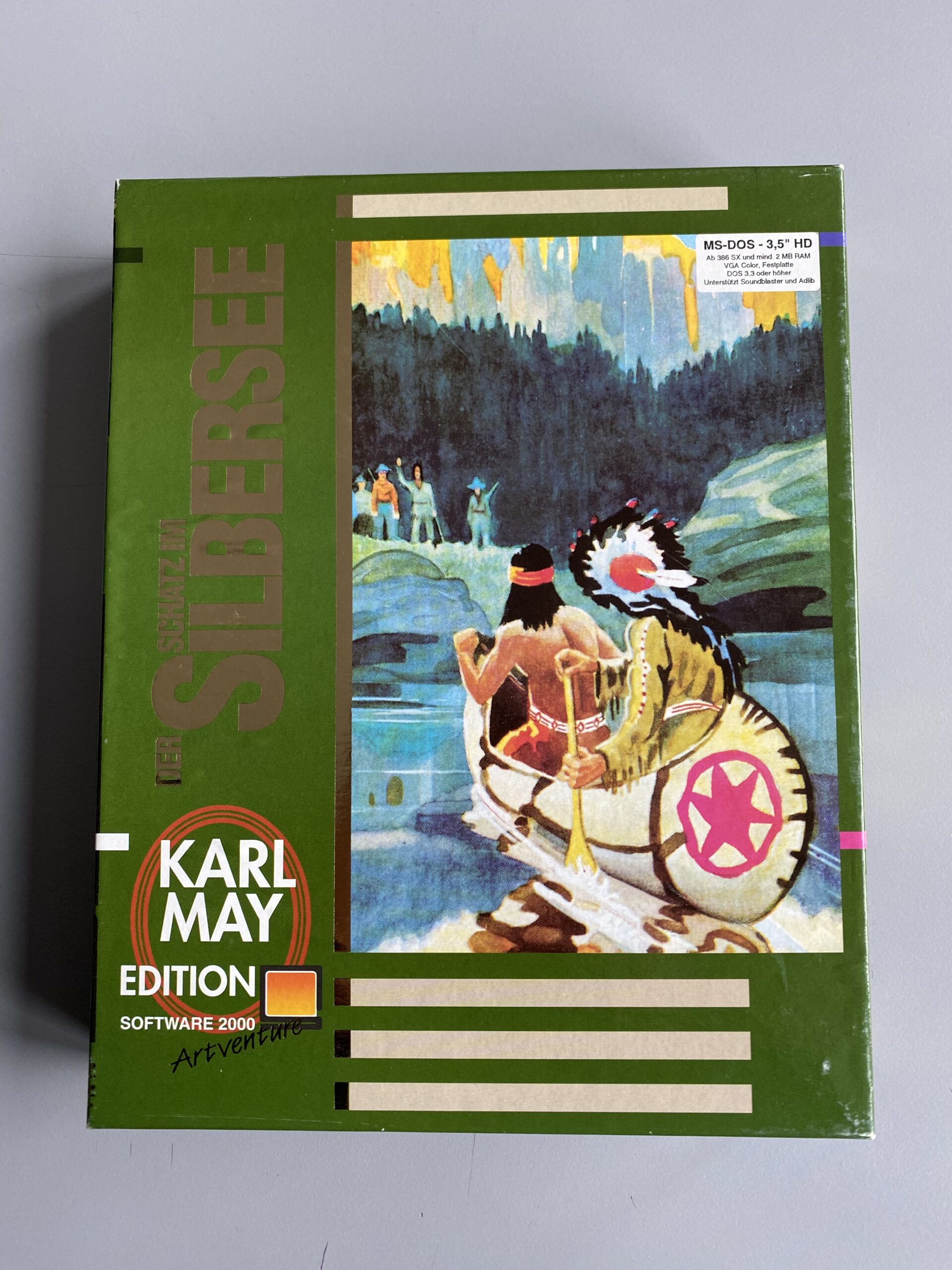
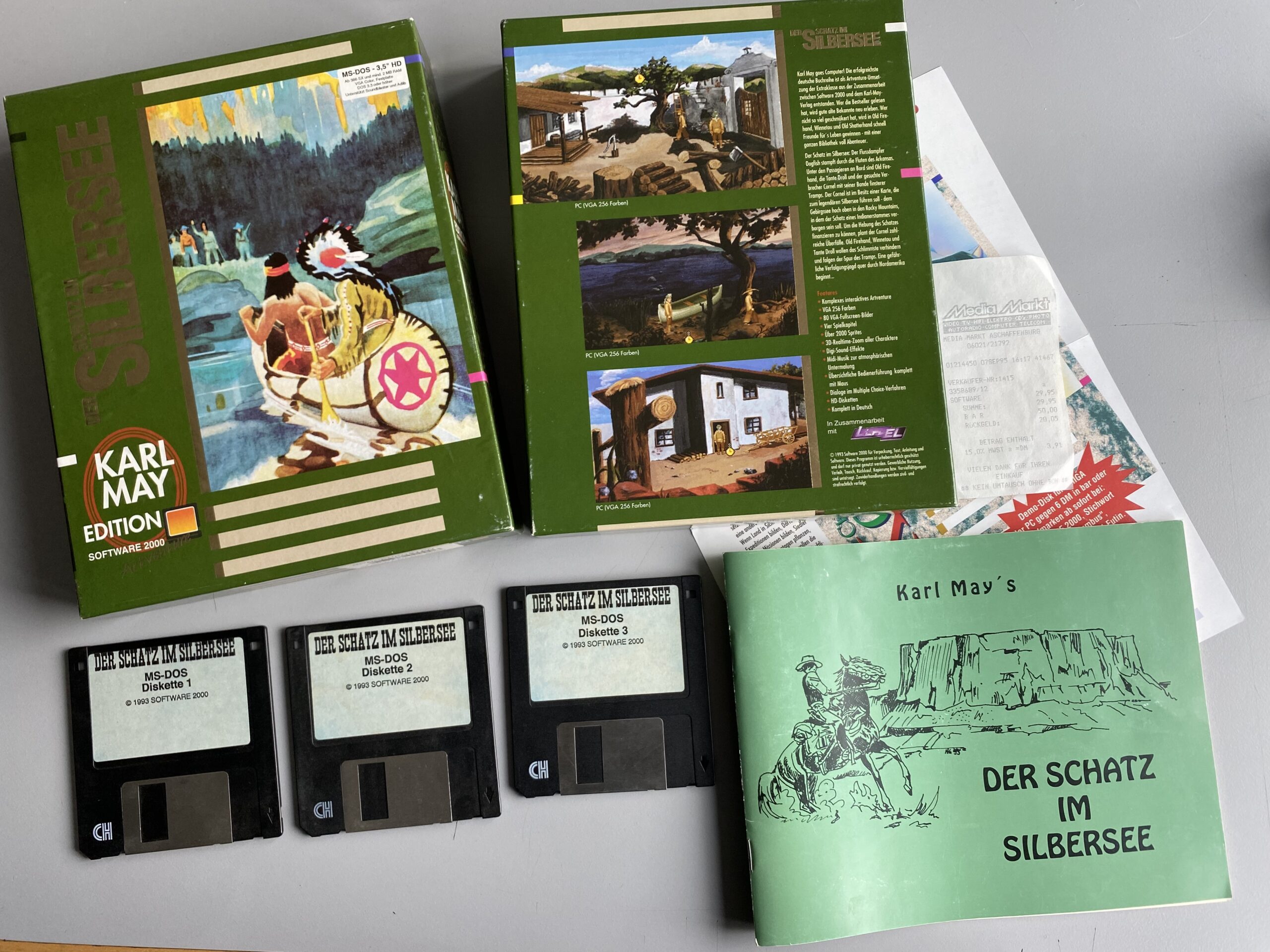
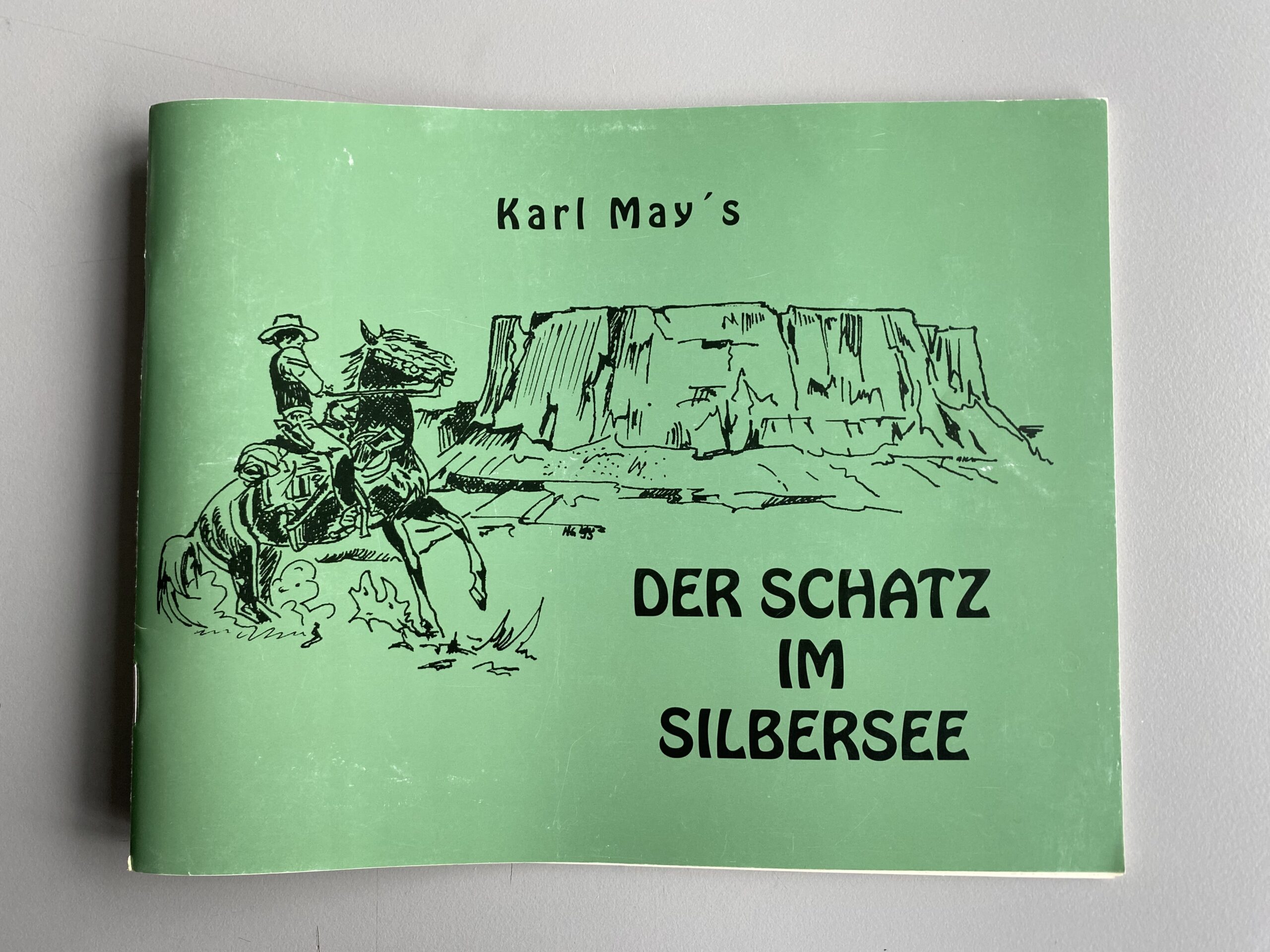
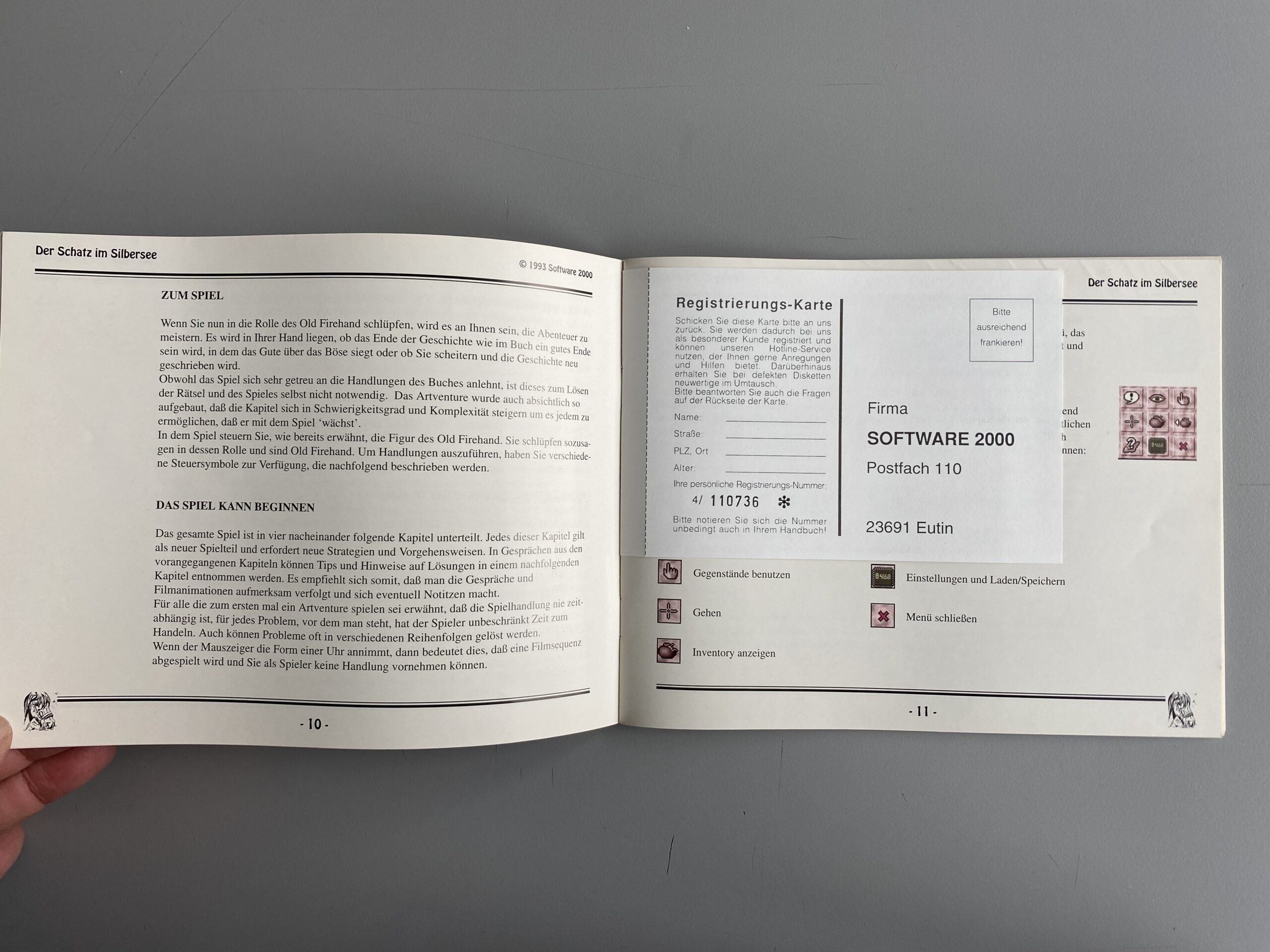
The game was supposed to compete with the popular adventure games from Sierra and Lucas Arts. It came in an attractive Euro box designed to resemble the adventure books published by the German Karl-May-Verlag. The box contained two 3.5-inch floppy disks, a 43-page manual and an advertising flyer from Software 2000, the German publisher.
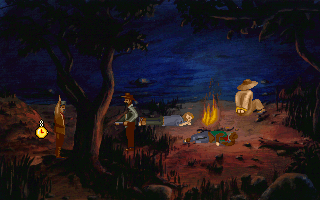
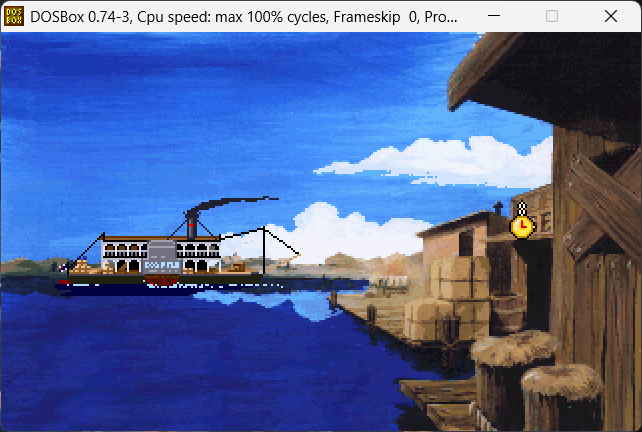
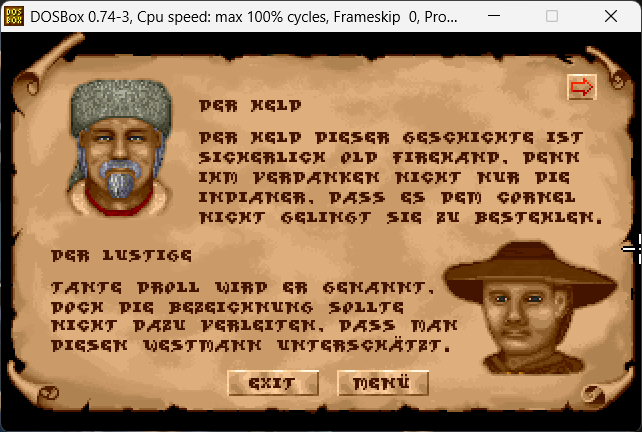
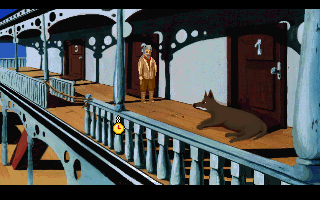
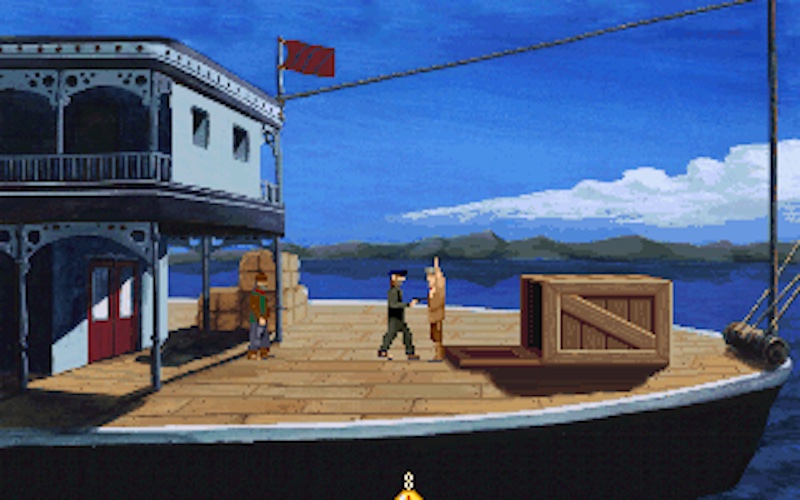
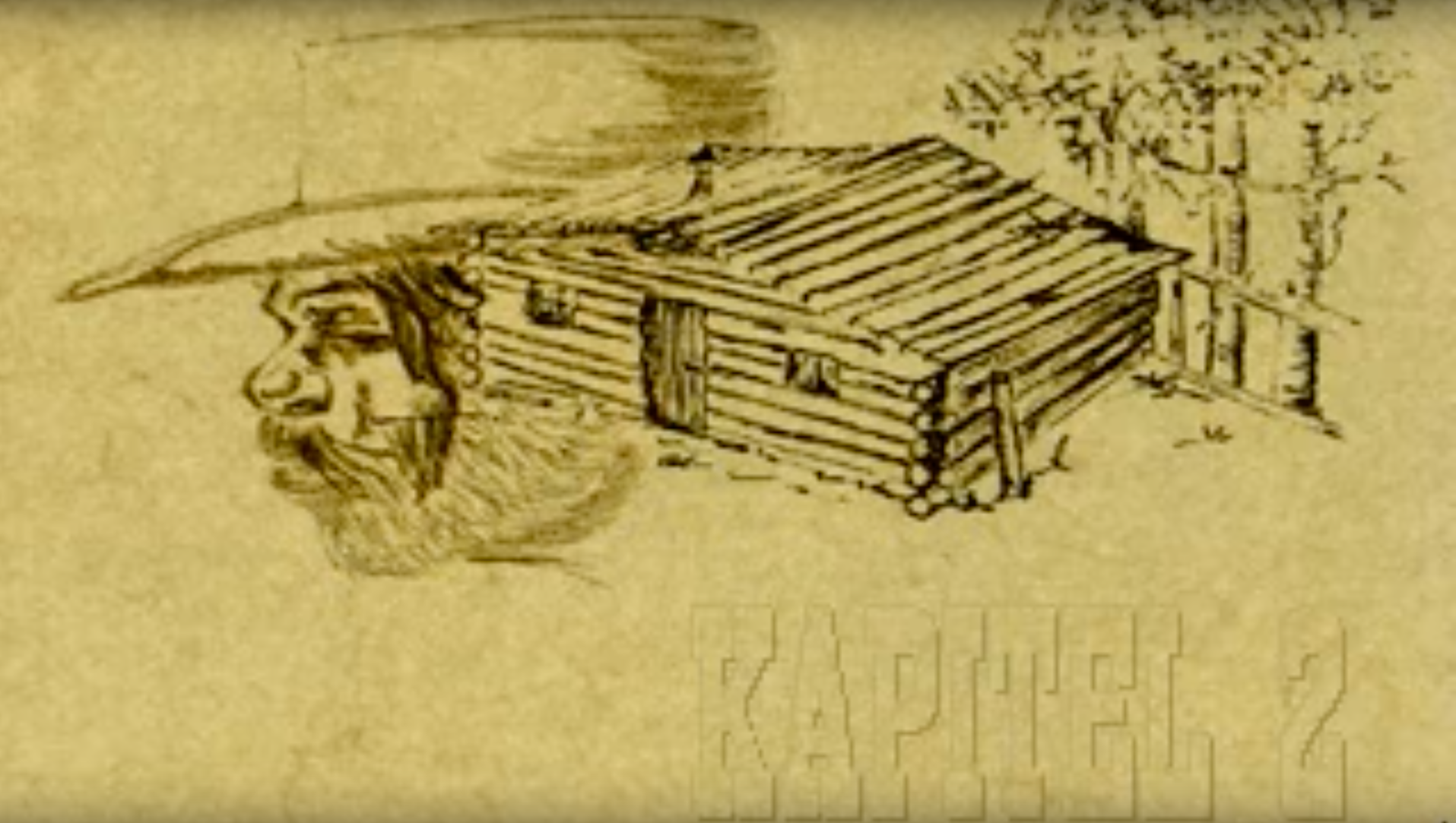
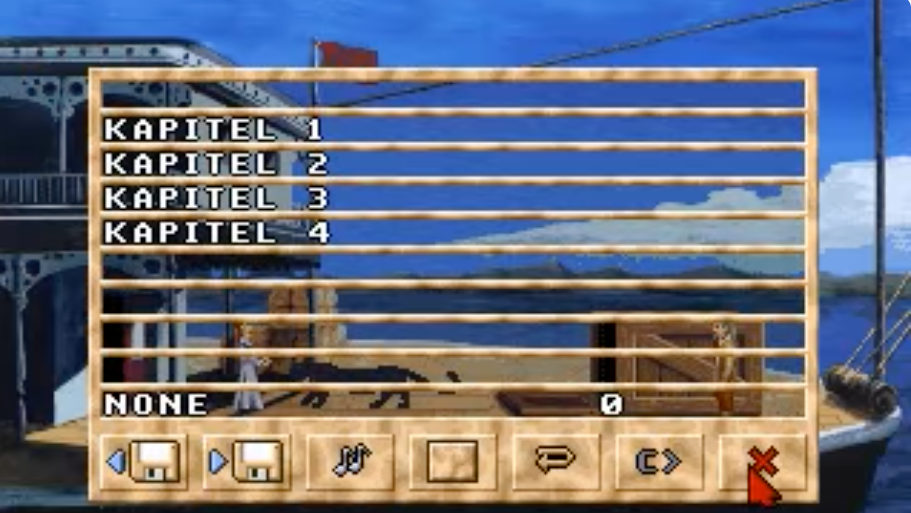
The idea for the game is likely to have come to Markus Grimmer, who most likely grew up reading Karl May’s stories. According to Grimmer himself, he struck up a conversation with representatives from the Karl-May-Verlag at a book fair. It was agreed that the game would be published in the Karl May Verlag’s iconic style, and the manual prominently mentions the publisher and includes a short story from Karl May. The game – unlike the film adaptation – largely sticks to the original novel. It is divided into four chapters: the first takes place on the paddle steamer ‘Dogfish’, the second in the Rafters’ forest, the third on Butler’s farm and the fourth, finally, at Silver Lake. Players take on the role of ‘Old Firehands’ and must thwart the plans of ‘Cornel’ and his band of tramps to steal the eponymous treasure.
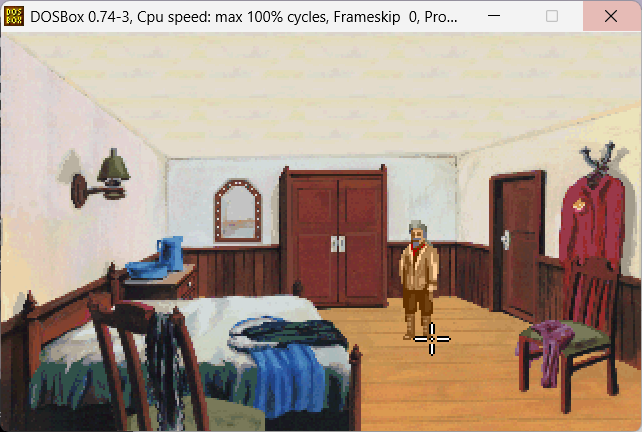
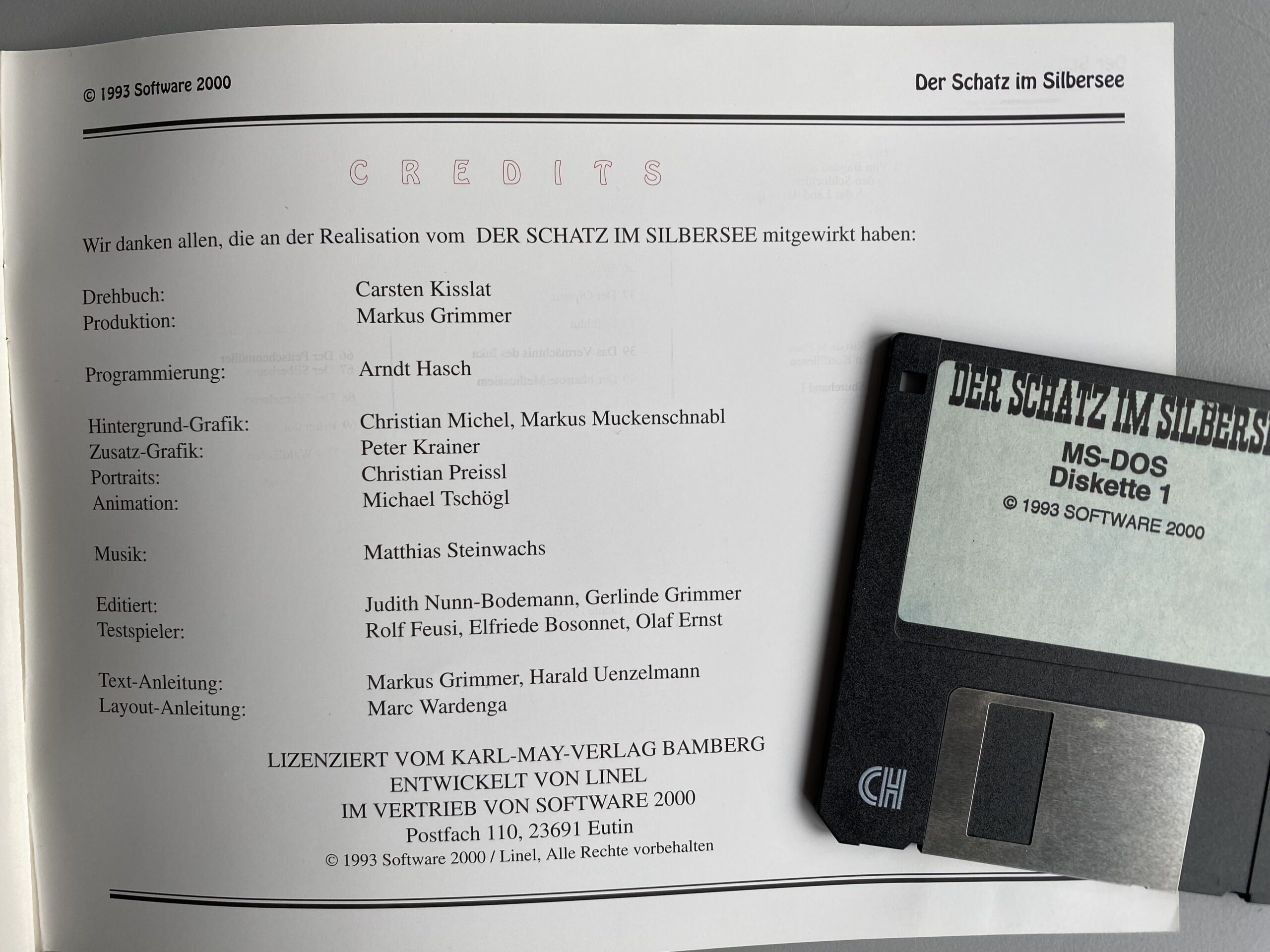
As with many other Linel projects, Markus Grimmer relied primarily on external contractors, whom he either knew personally or who had been recommended to him by mutual acquaintances. The young German Arndt Hasch with whom Grimm later became friends programmed the game, whilst the story was written by Carsten Kisslat. The beautiful background graphics were created by the German graphic designer Markus Muckenschnabl. It is interesting to note that, on this occasion, Muckenschnabl did not design the images on the computer but painted them offline. The Austrian Michael Tschögl heled with the the animations and the music was contributed by the experienced German composer Matthias Steinwachs. What makes the game’s development unique is this decentralised organisation, which bears similarities to the proto-industrial publishing system. Grimmer co-ordinated a team of contributors spread across Germany, Austria and Switzerland – and he did so in an era before the internet.
The game was released for MS-DOS at the end of 1993, after three years of development through the German publisher Software 2000. However, an announced version for the Amiga, which was also reported on extensively in advance, never appeared, nor did the next announced Karl May game, ‘Through the Desert’.
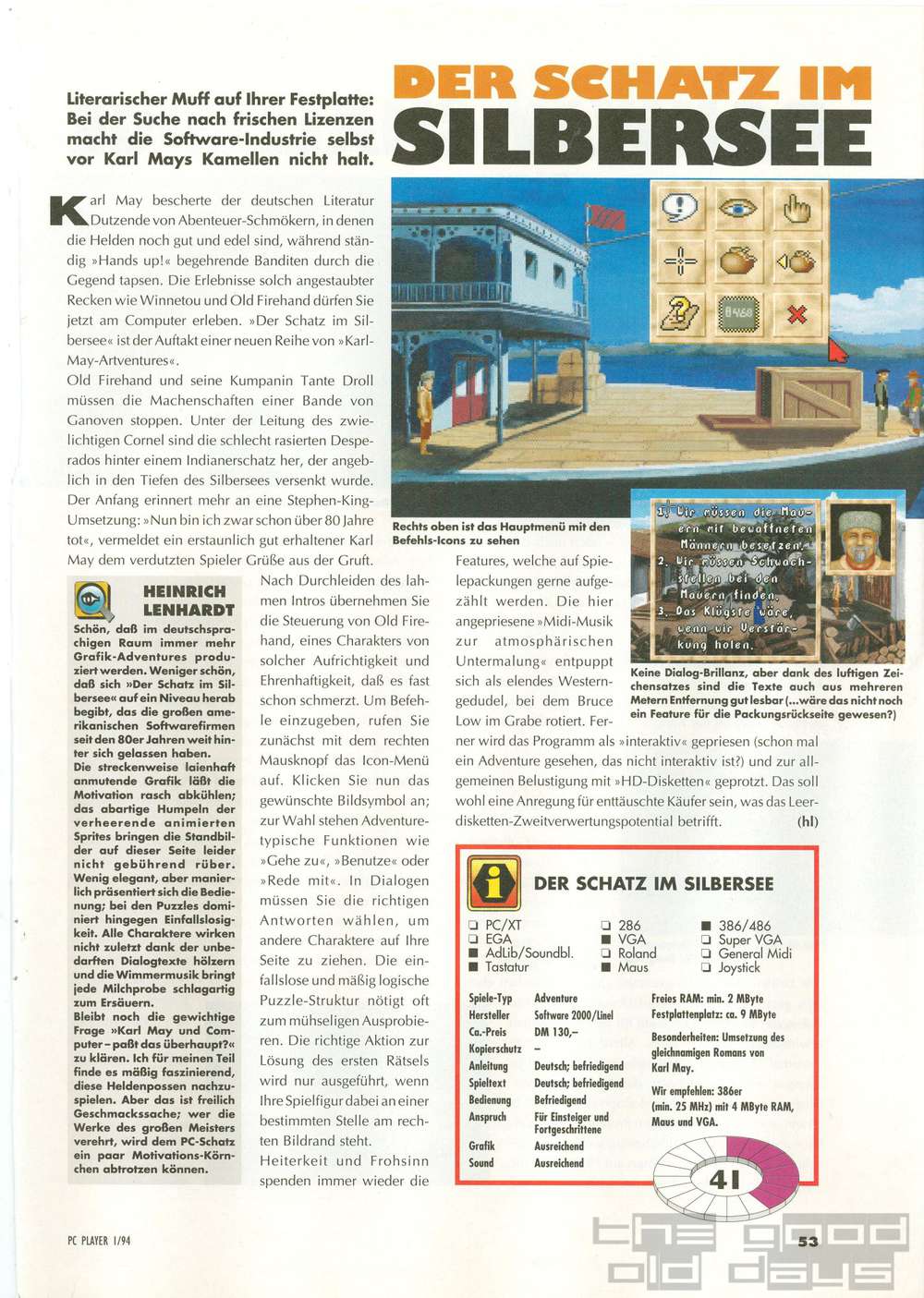
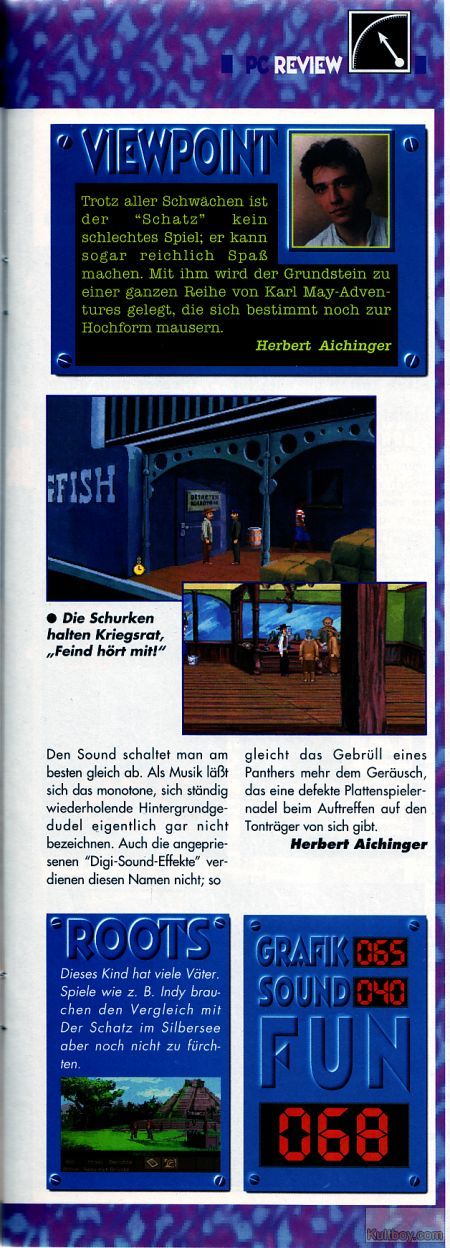
The reviews in the German-language press were mostly favourable to good. The background graphics and the overall atmosphere of the game were particularly praised. Only Heinrich Lenhardt's review for PC/Player was really negative. In addition to the animations and simple puzzles, he mainly questioned whether Karl May was still relevant in the 1990s. The German magazine ASM 1994/01 pointed out, that, “visually, it all looks great. The scanned backgrounds and animations are a pleasure to look at and really capture the atmosphere of the books. The logic puzzles have the occasional glitch, and the character portraits also look a bit generic. Fans will enjoy this game regardless, and even Karl May newcomers (greenhorns) will find plenty to keep them busy. The difficulty level isn’t set too high, and of course, all text is in German. The Treasure of Silver Lake isn’t exactly a groundbreaking masterpiece, but it’s solid gold for adventure game fans.” Some years later, the retro game magazine The Good Old Days saw it not as rosy: „Der Schatz im Silbersee isn't particularly bad, but what's fatal is that there isn't anything particularly good about it. Unimpressive story bundled with unimaginative puzzles – not exactly what people would be rushing to buy.“ (The Good old days (2009-03-13)
And finally, The PC Games (Germany) says in its 1994.01 issue: “The Treasure of Silver Lake must be viewed with somewhat mixed feelings overall. On the one hand, both the story and the excellent background graphics are top-notch; on the other hand, the game’s overall impression doesn’t quite measure up to the high-caliber competition mentioned earlier in the text. Nevertheless, Silver Lake is a worthwhile purchase for both newcomers and true Karl May fans.”
See also: Suter, Beat, LINEL – a Swiss Game Publisher 4: The Publishing Business.
https://chludens.hypotheses.org/2743